Sunday, December 14 2025
The 9,000-Year-Old Figurines of Gürcütepe Illuminate Life After Göbeklitepe

Anatolian News . Southeastern Anatolia

The 9,000-Year-Old Figurines of Gürcütepe Illuminate Life After Göbeklitepe

Written by

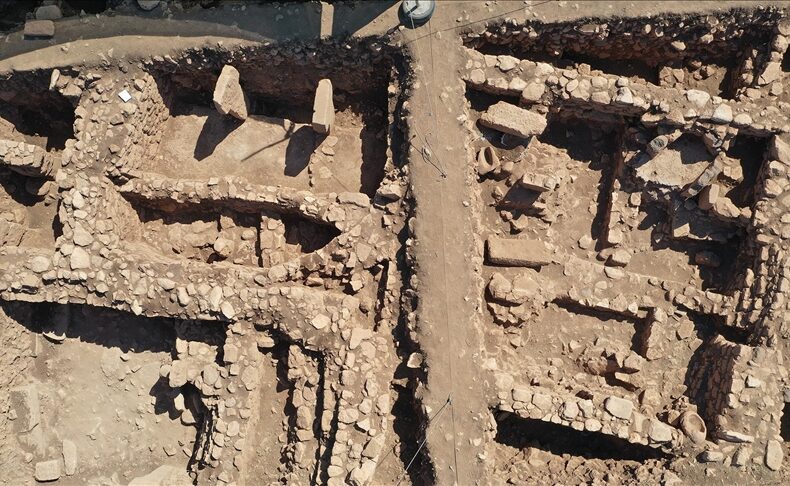
The first light over the Harran Plain has a way of turning everything into pale gold. From a distance, Gürcütepe looks like nothing more than a gentle rise in the landscape—quiet, unassuming, easy to miss. Yet beneath its surface lies one of the most revealing chapters in the story of how early societies redefined themselves

Çayönü excavation, Neolithic burials Turkey, Early Bronze Age graves, Diyarbakır archaeology, Ergani mound, 11,000-year-old skeleton, Anatolian prehistory, Neolithic Anatolia, Bronze Age Anatolia, Çayönü Tepesi

5,000- and 11,000-Year-Old Burials Unearthed at Çayönü: Shedding Light on Neolithic and Bronze Age Anatolia

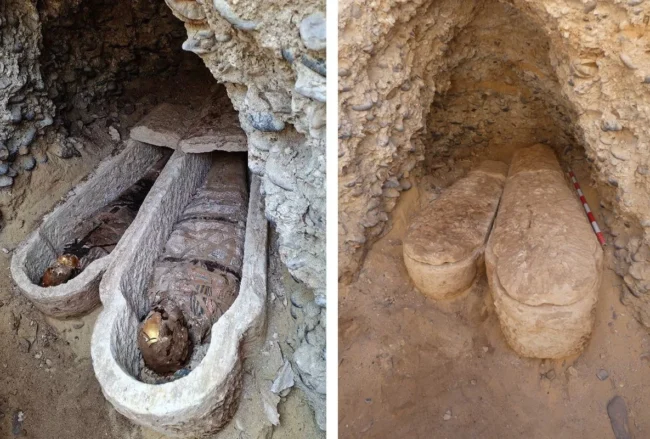
Archaeologists working at the Neolithic settlement mound of Çayönü, in Ergani district of Diyarbakır, Türkiye, have unearthed six ancient burials—five from the Early Bronze Age, about 5,000 years old, and one dating back 11,000 years to the Neolithic period. The discovery provides crucial evidence of how one of humanity’s earliest farming communities buried and remembered

5,000-Year-Old Ceramics Unearthed in İzmir’s Smyrna Mound Reveal Early Trade Links

5,000-Year-Old Ceramics Unearthed in İzmir’s Smyrna Mound Reveal Early Trade Links

Archaeologists working at the Bayraklı settlement mound in İzmir — known as Old Smyrna Mound — have uncovered ceramic vessels dating back 5,000 years, shedding light on the region’s role as an emerging hub of Early Bronze Age trade. The excavations, carried out under the Turkish Ministry of Culture and Tourism’s Heritage for the Future

13,000-Year-Old Beads Unearthed in Direkli Cave Reveal Origins of Aesthetic Culture in Anatolia

13,000-Year-Old Beads Unearthed in Direkli Cave Reveal Origins of Aesthetic Culture in Anatolia

Archaeologists in Kahramanmaraş, Türkiye, have uncovered dozens of Epipaleolithic beads dated between 9,500 and 14,000 BCE at Direkli Cave. The discovery highlights the region’s role as a crossroads of cultural exchange and artistic expression. Located in the Onikişubat district of Kahramanmaraş, the Direkli Cave has once again yielded remarkable finds that shed light on prehistoric

Excavations at Aizanoi Reveal New Finds in the 2,000-Year-Old Temple of Zeus

Excavations at Aizanoi Reveal New Finds in the 2,000-Year-Old Temple of Zeus

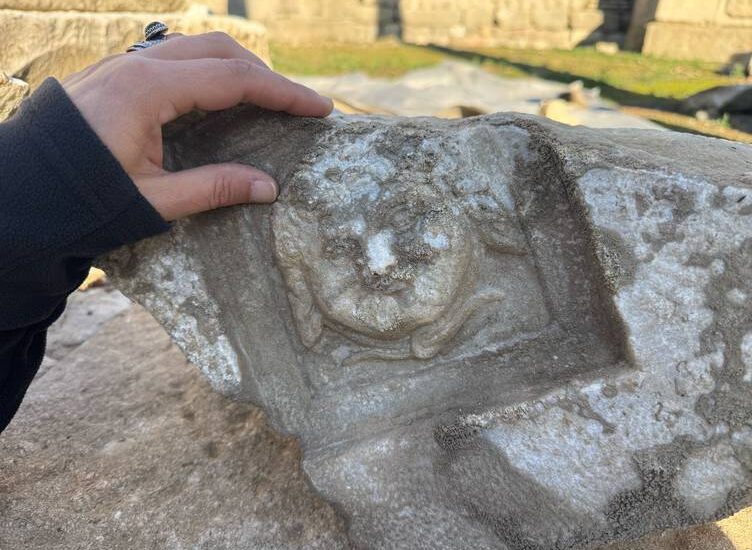
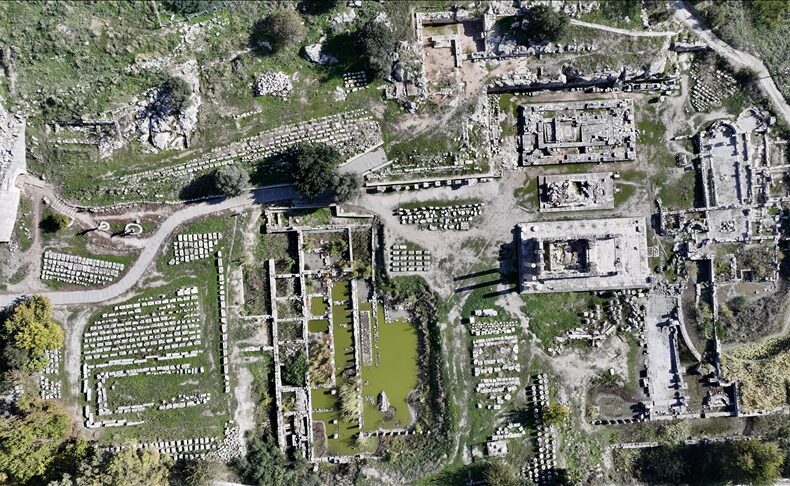
Archaeological work in the ancient city of Aizanoi in Çavdarhisar, Kütahya, has brought to light previously buried architectural remains of the world-famous Temple of Zeus. The excavations also uncovered Byzantine-era burials within the sanctuary’s grounds. In western Türkiye’s Kütahya province, the ancient city of Aizanoi continues to yield new discoveries. Recent excavations around the iconic

Mongol Palace of Hulagu Khan Unearthed in Van: A Roof Tile Sparked the Discovery

Mongol Palace of Hulagu Khan Unearthed in Van: A Roof Tile Sparked the Discovery

A simple roof tile found in a field two decades ago has led to one of the most remarkable international archaeological discoveries in recent years. Excavations in Hanköy, a rural village in Türkiye’s Van province, have revealed the remains of a palace and settlement linked to Hulagu Khan, the founder of the Ilkhanate and grandson

Gobekli Tepe

Göbeklitepe Exhibition to Open in Berlin’s Museum Island with 96 Artifacts in 2026

Türkiye’s Ministry of Culture and Tourism has announced that Göbeklitepe, one of the world’s most iconic Neolithic sites and a UNESCO World Heritage property, will be presented in a major international exhibition in Germany. Deputy Minister Gökhan Yazgı confirmed that “Myths in Stone: Göbeklitepe and the World of the Last Hunters” will open in February

11th-Century Graves Unearthed in Kayseri’s Monumental Roman Mosaic Villa

11th-Century Graves Unearthed in Kayseri’s Monumental Roman Mosaic Villa

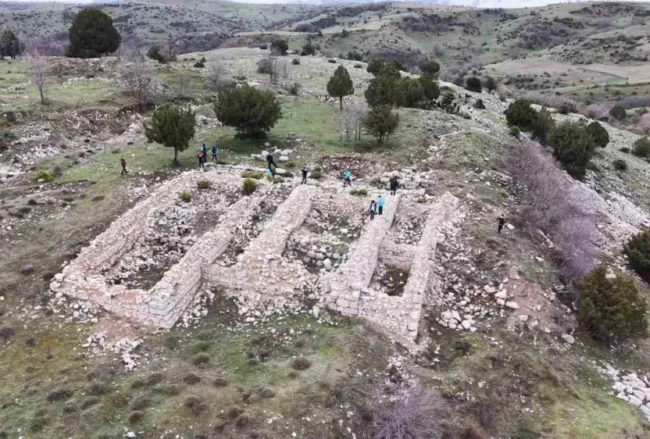
Archaeologists excavating in İncesu, Kayseri, have uncovered children’s and adult burials dating to the 11th century within Central Anatolia’s largest Roman mosaic site. The discovery shows that a villa first built in the 3rd–4th centuries CE remained in use until the medieval period. Excavations in Örenşehir, İncesu district of Kayseri, have revealed a striking overlap

Japanese Princess Akiko Launches Excavations at Ayanlar Höyük: Türkiye–Japan Partnership Expands the Taş Tepeler Project

Japanese Princess Akiko Launches Excavations at Ayanlar Höyük: Türkiye–Japan Partnership Expands the Taş Tepeler Project

A new chapter has opened in Şanlıurfa’s prehistoric landscape. As part of Türkiye’s landmark Taş Tepeler Project—one of the most ambitious archaeological initiatives in the country’s history—excavations have officially begun at Ayanlar Höyük. The opening ceremony was marked by the symbolic first strike of the shovel by Türkiye’s Minister of Culture and Tourism Mehmet Nuri

Ancient Etruscan Tombs Go Digital: 280 Burial Chambers Now Accessible Online

Ancient Etruscan Tombs Go Digital: 280 Burial Chambers Now Accessible Online

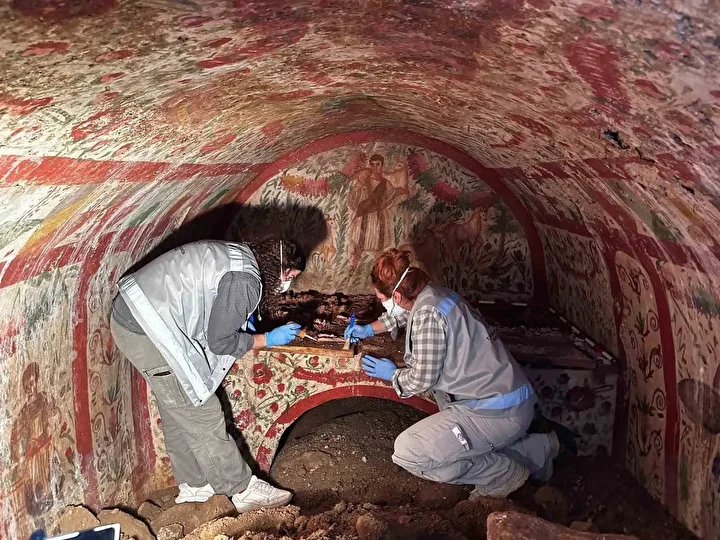
A groundbreaking digital initiative has opened the doors of Italy’s Etruscan world to a global audience. Researchers from the University of Gothenburg and the Swedish Institute in Rome have created an online platform where nearly 280 Etruscan chamber tombs, dating back 2,500 years, can now be studied and explored virtually. From Excavations to Digital Archives

Ayvalık: Forgotten Gateway Linking Anatolia and Europe in the Ice Age

Ayvalık: Forgotten Gateway Linking Anatolia and Europe in the Ice Age

A new archaeological study has placed the coastal town of Ayvalık, Türkiye, at the center of a story far older than its olive groves or islands suggest. Published in the Journal of Island and Coastal Archaeology, the research reveals that early humans may have reached Europe not only through the Balkans or the Levant, but

1 10 11 12 13 14 108