Thursday, January 15 2026
Sakçagözü

Anatolian News

When a Village Courtyard Hid a King: The Neo-Hittite Reliefs of Sakçagözü

Written by

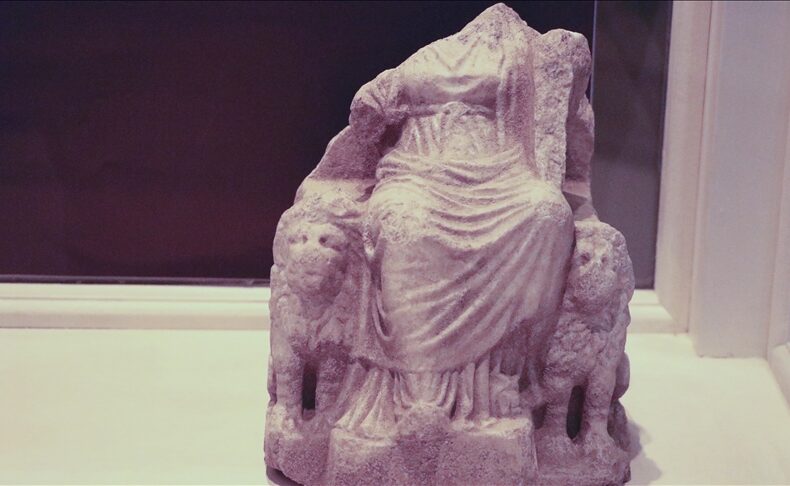
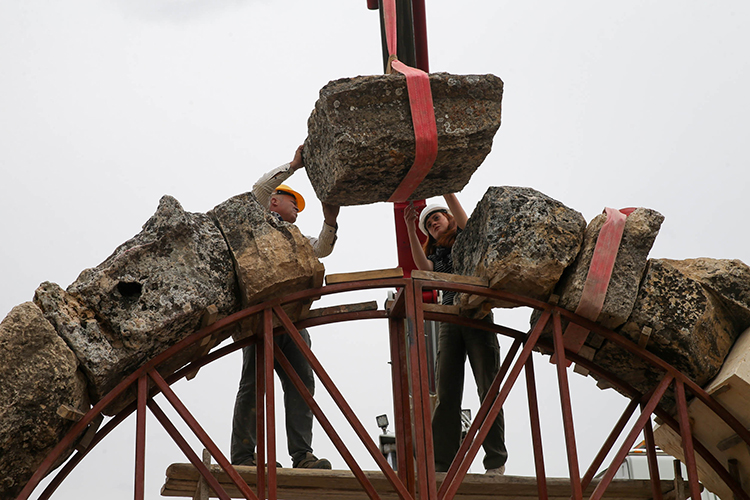
In southeastern Anatolia, near the modern village of Sakçagözü, an extraordinary chapter of Neo-Hittite art once lay in plain sight—embedded not in a museum wall, but in an ordinary village courtyard. What appeared to be a utilitarian stone block was, in fact, a monumental royal relief dating to the 8th century BC, carved for a

5,000-Year-Old Fortress Discovered in Romanian Forests with LiDAR Technology

5,000-Year-Old Fortress Discovered in Romanian Forests with LiDAR Technology

Deep within the dense forests of Romania’s Neamț region, archaeologists have uncovered the remnants of a 5,000-year-old fortress with the aid of LiDAR technology. This significant discovery has brought to light the intricate details of the ancient structure, which dates back to the transition period from the Neolithic to the Bronze Age. LiDAR Technology Enabled

Elazığ Salkaya mosaic

Mosaic Discovery Illuminates History in Elazığ’s Salkaya Village, Excavation Area to be Expanded

A 84-square-meter floor mosaic, accidentally discovered in Elazığ’s Salkaya Village, is shedding light on the region’s history. The Ministry of Culture and Tourism’s General Directorate of Cultural Heritage and Museums has placed this significant discovery under protection by declaring the area an archaeological site. Additionally, it has been decided to expand the excavation area due

Bom-Jesus-Namibia

500-Year-Old Treasure in the Namibian Desert: The Incredible Discovery of the Sunken Portuguese Ship Bom Jesus

The world of archaeology was shaken by an extraordinary discovery in the Namibian desert. The Portuguese ship Bom Jesus (Good Jesus), which sank 500 years ago, emerged as a treasure chest full of gold coins and priceless historical artifacts. This discovery is much more than just finding a shipwreck; it’s a time capsule that sheds

Archaeological Complex of the Golden Horde Period unearthed in Tatarstan

Archaeological Complex of the Golden Horde Period unearthed in Tatarstan

During historical and cultural studies conducted in the Alekseevski municipal district of Tatarstan, an archaeological complex consisting of two burial grounds and a settlement from the Bulgar-Golden Horde period was discovered. This complex, comprising “Sakon Cemetery I,” “Sakon Cemetery II,” and “Sakonskoye Settlement IV,” offers a glimpse into the lives and burial practices of medieval

Göbekli Tepe Exhibition Reaches 5 Million Visitors at the Colosseum, Heart of Rome

Göbekli Tepe Exhibition Reaches 5 Million Visitors at the Colosseum, Heart of Rome

Göbekli Tepe, the oldest temple in human history, was reborn in the heart of Rome, at the Colosseum Archaeological Park. The exhibition titled “Göbekli Tepe: The Mystery of a Sacred Site” has achieved great success by hosting 5 million visitors since it opened its doors on October 24, 2024. This success, crowned by the statements

Evidence of Slavery in 2,300-Year-Old Egyptian Gold Mine: Iron Shackles Unearthed

Evidence of Slavery in 2,300-Year-Old Egyptian Gold Mine: Iron Shackles Unearthed

Archaeological excavations in the Ghozza region of Egypt have uncovered compelling evidence that some workers in a gold mine dating back approximately 2,300 years to the Ptolemaic period were slaves. The iron shackles discovered at the excavation site indicate that forced labor was widespread in gold mining during this era. The research, led by historian

Mysterious Cult Center Dedicated to Artemis Tauropolos Discovered in Ancient Amphipolis

Mysterious Cult Center Dedicated to Artemis Tauropolos Discovered in Ancient Amphipolis

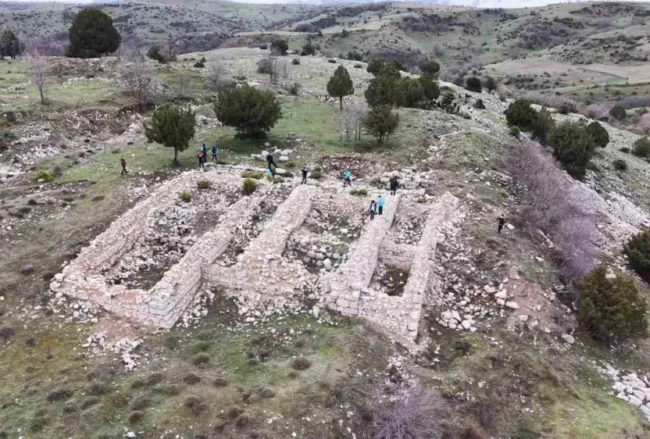
Archaeological excavations in the ancient city of Amphipolis, located in northern Greece, have unearthed a cult center dating back to the 4th century BC, believed to be dedicated to the hunting goddess Artemis Tauropolos. The team led by Professor Dimitris Damaskos of the University of Patras discovered the remains of a rectangular mudbrick structure during

Rare Roman Period Columbariums Discovered in Şanlıurfa Being Documented

Rare Roman Period Columbariums Discovered in Şanlıurfa Being Documented

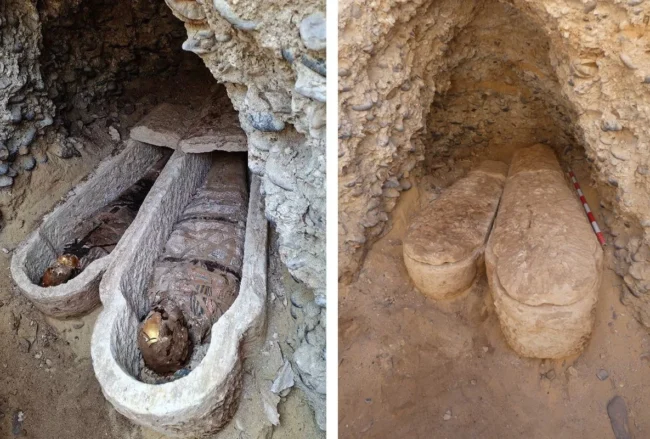
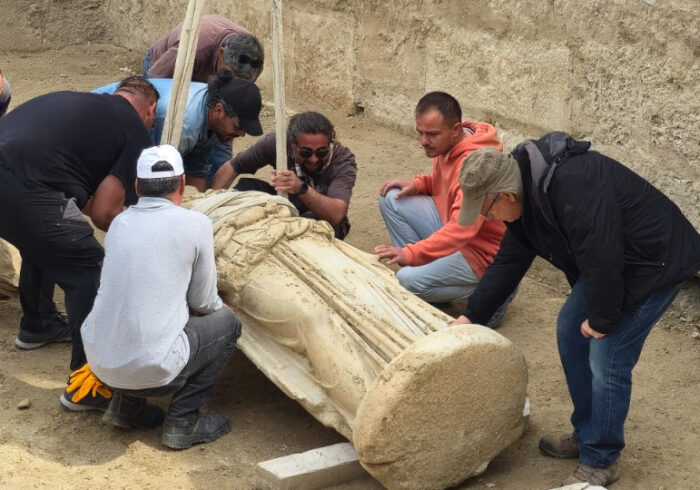
Roman Era columbariums have been discovered in Şanlıurfa, home to unique archaeological sites such as Göbekli Tepe and Karahantepe, described as the “zero point of civilization.” The rare Roman Era columbariums discovered in Senem Caves in the Haliliye district and in a citizen’s garden in Bozova are being recorded as part of the Cultural Inventory

Is This Noah's Ark? Exciting Discovery in Türkiye Sparks Debate

Is This Noah’s Ark? Exciting Discovery in Türkiye Sparks Debate

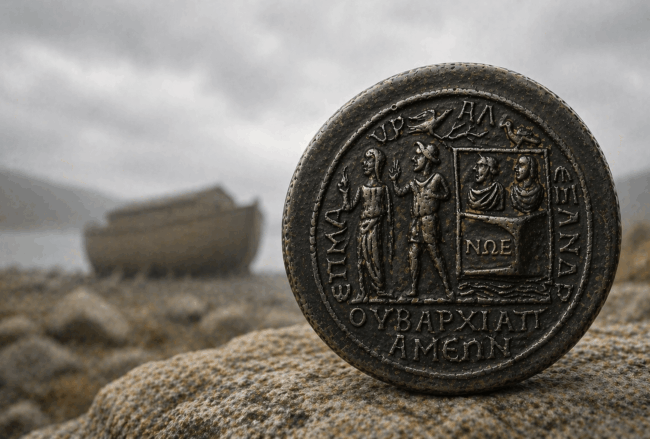
A boat-shaped mound in the Durupinar Formation near Mount Ararat in Türkiye has ignited interest among experts who believe it may be the fossilized remains of Noah’s Ark. This formation, studied by an international research team since 2021, is thought to have been submerged during a catastrophic flood approximately 5,000 years ago. Durupinar Formation: Clues

Pre-Islamic Ancient Well Discovered on Kuwait's Failaka Island

Historical Discovery on Failaka Island: 1400-Year-Old Water Well and Precious Stones Unearthed

Failaka Island has once again proven its significance on the stage of history with recent archaeological excavations. The discovery announced by the Kuwait National Council for Culture, Arts, and Letters (NCCAL) includes a large water well found in the courtyard of a magnificent house dating back to the 7th and 8th centuries AD in the

1 40 41 42 43 44 112