Thursday, February 12 2026
Was Göbeklitepe Really About Male Power? New Study Reframes Taş Tepeler Rituals

Anatolian News

Was Göbeklitepe Really About Male Power? New Study Reframes Taş Tepeler Rituals

Written by

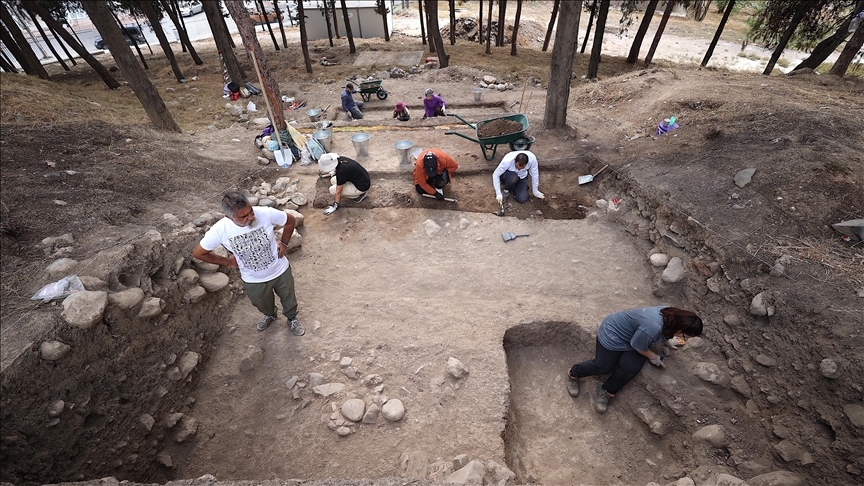
For decades, the towering stone pillars of southeastern Türkiye have been read through a familiar lens: power, dominance, fertility cults, and the early emergence of male authority. The monumental sites of the Taş Tepeler region—especially Göbeklitepe—have often been interpreted as visual declarations of masculinity carved in stone. But what if that assumption says more about

Excavations at the ancient Kef Castle shed light on the Urartian period

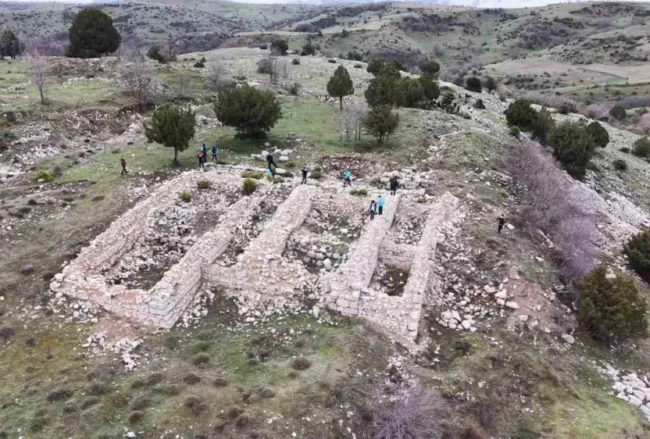
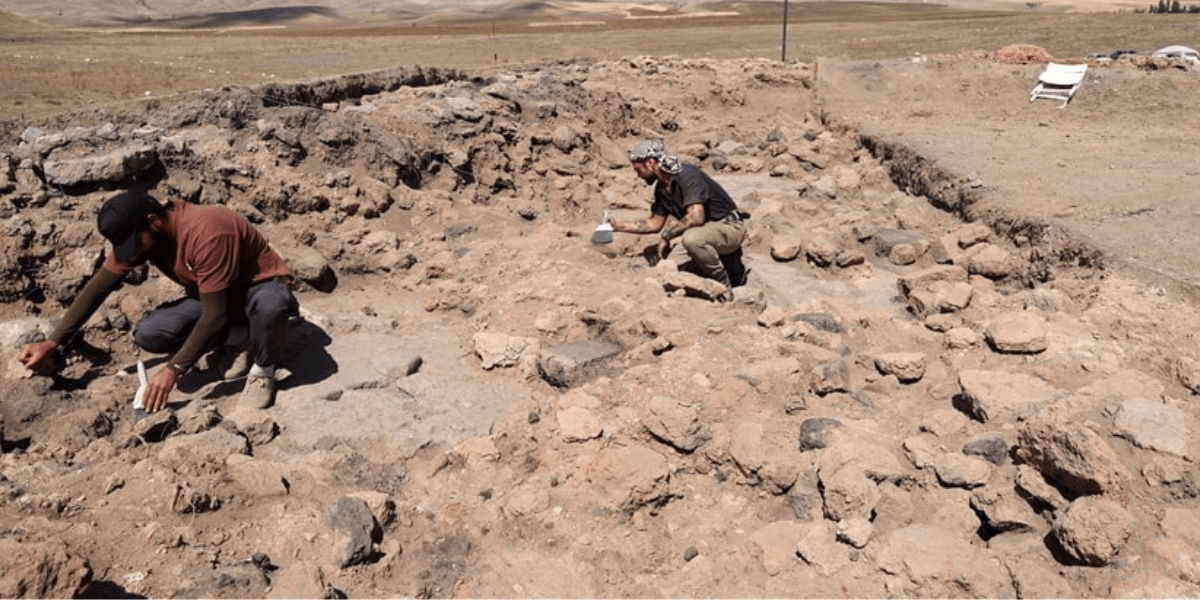
Archaeological excavations at Kef Castle in Bitlis, southeast Turkey, have uncovered animal bones, ceramics, and tools made of flint and obsidian. The castle, one of four built during the reign of Urartian King Rusa II (685-645 B.C.), is located at an altitude of 2,300 meters (7,545 feet). The information that will be obtained during the

2100-year-old graves unearthed in the area where the zoo will be built

2100-year-old tombs unearthed in the area where the zoo will be built

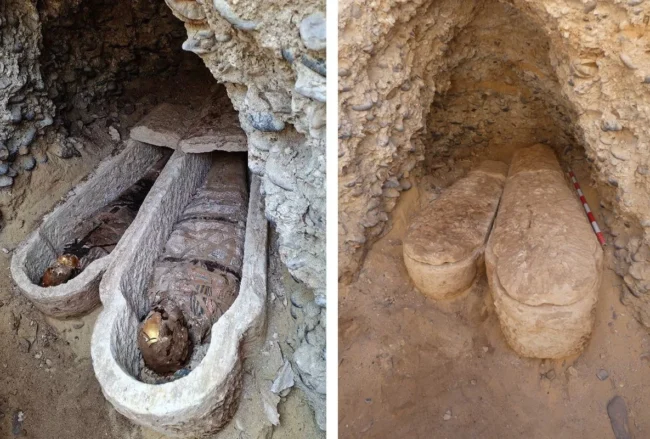
Construction equipment that started to work on the construction of the zoo unearthed 2100-year-old tombs. Xinhua News Agency announced the discovery of an ancient burial site with 148 tombs in the Guangzhou area in South China’s Guangdong Province. Xinhua reported that the tombs date back from the Han Dynasty (206 BC-AD 220) to the early

3,000-year-old Iron Age figurine discovered in Lake Bolsena, Italy, with the fingerprints of its maker

3,000-year-old Iron Age figurine discovered in Lake Bolsena, Italy, with the fingerprints of its maker

In Lake Bolsena, a volcanic lake in central Italy, a 3,000-year-old terracotta female figure was discovered during work at the sunken archaeological site of Gran Carro. Remarkably, after 3000 years underwater, the figure still bears the fingerprints of its maker. This discovery was made as part of the National Recovery and Resilience Plan (NRRP), which

Tavsanli Mound, the heart of Kütahya

4000-year-old ceramic seal discovered at Tavşanlı mound, known as the “heart of Kütahya”

A 4000-year-old ceramic seal was discovered in Tavşanlı mound, also known as the “Heart of Kütahya” because it resembles the shape of a heart when viewed from the air, in the Tavşanlı district of Kütahya in western Türkiye. The excavation of Tavşanlı mound continues under the chairmanship of Prof. Erkan Fidan, Head of the Department

6,400-year-old oven unearthed at Arslantepe Höyük.

6,400-year-old oven unearthed at Arslantepe Höyük

A 6400-year-old oven has been unearthed at Arslantepe Höyük, which was continuously inhabited from 6000 BC to the 11th century AD in eastern Türkiye. The discovered oven is 2 meters long. Located 7 km northeast of Malatya, Arslantepe Höyük is on the UNESCO World Heritage List. The finds unearthed during excavations at the mound show

Aigai

2200-year-old agora of the ancient city of Aigai on Yunt Mountain was found

A 2,200-year-old city square (agora) was discovered during excavations in the ancient city of Aigai in Manisa province in western Türkiye. The excavations also found bull-headed reliefs on the columns in the square and inscriptions related to the god Apollo. Founded on Yunt Mountain by the Aeolians in the 11th century BC, the ancient city

8000-year-old female statuette found in Ulucak Höyük

8000-year-old female statuette found in Ulucak Höyük

An 8 thousand year old female statuette was found in Ulucak Höyük, which has been continuously inhabited since the Neolithic period. Ulucak Höyük, considered one of the first farming villages in Türkiye, is located in Kemalpaşa district of Izmir. During the excavations led by Prof. Dr. Özlem Çevik, a faculty member of the Department of

Well-preserved bust unearthed during excavations at Prusias Ad Hypium Ancient Theater

Well-preserved bust unearthed during excavations at Prusias Ad Hypium Ancient Theater

A very well-preserved bust was found during the ongoing excavations in the theater section of the ancient city of Prusias ad Hypium in the Konuralp district of Düzce. The city, which was conquered by Bithynia King Prusias I in 183 BC, was named Prusias ad Hypium due to its location on the Melen (Hypium) stream.

Yassıtepe Höyük

5,000-year-old storage structure filled with mussel shells found at Yassıtepe Höyük

In the Yassıtepe Höyük (Yassı Mound) in Bornova district of Izmir, a 5 thousand year old structure estimated to have been used as a warehouse was discovered. The first settlement in Yassıtepe mound started 8 thousand years ago. Excavations at Yassıtepe yielded finds from the Neolithic, Chalcolithic, Bronze Age and also the Roman Period. The

Two skeletons of Lydian soldiers found under the monumental city wall in the ancient city of Sardis

Two skeletons of Lydian soldiers found under the monumental city wall in the ancient city of Sardis

Two soldier skeletons belonging to the Lydians were unearthed in the ancient city of Sardes, which was the capital of the Lydian (Lydia) state near the town of Sart in Salihli district of Manisa in western Türkiye. Sardes is the place where the first gold coin was minted in history. Because of this feature, it

1 69 70 71 72 73 114